GTA 6 Has a Physical Edition. So Why Are Game Stores Refusing to Sell It?
By Editorial Team — · Updated November 6, 2026
ENGLISH VERSION
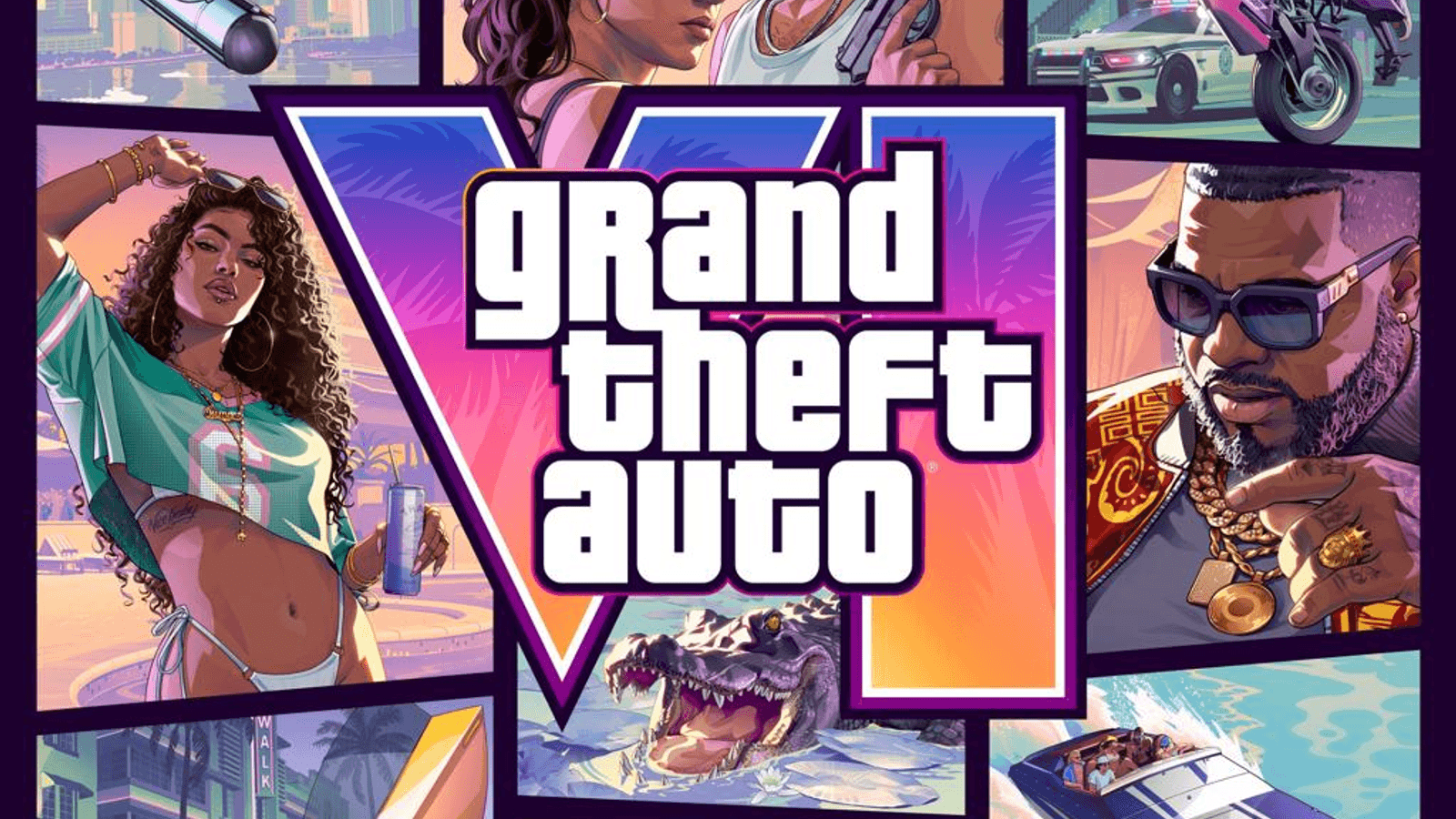
GTA VI promotional-style artwork supplied by the user. This image depicts the game, not the code-in-box packaging. / Арт GTA VI, предоставленный пользователем. На изображении игра, а не коробочное издание с кодом.
GTA 6 is expected to be one of the biggest video game releases of the decade. Yet two retailers have decided they would rather not sell its boxed edition.
Not because they object to the game. Not because of its price.
Because of what's missing from the box.
In June 2026, Canadian retailer Video Games Plus announced that it would not stock Grand Theft Auto VI under its longstanding policy against selling boxed games that contain only download codes. US-based Loot Box Gaming expressed a similar position, linking its objection to the preservation of physical media.
Both statements followed Rockstar's decision to release GTA 6 in a box containing a digital download code instead of a playable disc. Push Square
At first, it might seem like an argument over packaging. Digital downloads have been common for years, and a plastic case still gives collectors something to put on a shelf.
But a case and a transferable game are not the same thing.
The controversy is really about what buyers should be able to do with a game after they've paid for it.

What's Actually Inside the GTA 6 Box?
Rockstar hasn't hidden the arrangement.
Its official support documentation confirms that the physical edition of GTA 6 contains a code for downloading the game. No disc is included.
Boxed copies are expected to be available for shipping or collection starting November 12, 2026. Buyers can redeem their codes to prepare for the game's November 19 launch.
For some customers, this may be perfectly acceptable.
A boxed copy can still be given as a present. A collector may appreciate having the case. A customer can purchase through a local retailer rather than directly from a digital storefront.
Those are genuine benefits.
What the package doesn't provide is a disc that can be lent, traded, or resold as a playable copy.
Once the download code has been redeemed, the box remains physical. The game entitlement belongs to the account that redeemed it.
And that difference is exactly where the disagreement begins.
Why Would a Game Store Refuse to Sell GTA 6?
Refusing to stock one of the year's most anticipated releases sounds like a strange commercial decision.
But for Video Games Plus, it was a question of consistency.
The retailer explained that its policy has long excluded console games sold in boxes containing nothing more than a digital code. It also emphasized its respect for Rockstar and said it would welcome a future edition containing a disc.
Loot Box Gaming made a similar argument, connecting its position to the preservation of games and the rights of customers who purchase them. Its initial announcement was conditional on confirmation of the code-in-box format. GameSpot
These were individual retailers taking a position, not an industry-wide boycott.
Nor is there evidence that their decisions will significantly damage GTA 6's commercial performance.
What makes the story interesting is the principle behind them.
Traditional disc-based games can support a second-hand market. Customers can finish a game, trade it toward another purchase, or sell it to someone else. Retailers can buy used copies and offer them to new customers.
A redeemed download code cannot move through that cycle.
For a business that values physical game ownership and resale, selling a box without a transferable game changes the nature of the product.
The stores weren't rejecting GTA 6 itself.
They were rejecting the idea that packaging alone made it the kind of physical game they wanted to sell.
What Buyers Lose When the Disc Disappears
Imagine buying GTA 6, finishing the story, and deciding to lend it to a friend.
With a reusable disc-based edition, that could be possible, depending on the game's installation, account, and online requirements.
With a redeemed download code, handing your friend the empty case doesn't give them the game.
Sony's PlayStation Store voucher guidance states that voucher codes can only be redeemed once and that purchased content cannot be transferred between accounts.
Console-sharing features may allow eligible digital content to be accessed in other ways. But they don't turn a redeemed code back into a transferable physical copy.
The practical difference extends beyond lending.
A disc can retain resale value after its original owner has finished playing. A digital entitlement generally cannot be sold separately from the account under the same conditions.
This matters to buyers who use the second-hand market to make expensive games more affordable.
It also matters to retailers whose business depends partly on customers returning with products to trade.
A box containing a code still allows a physical transaction at the point of sale.
What it changes is what happens afterward.
Why Would Rockstar Choose This Approach?
There are plausible commercial explanations.
According to GameSpot, Alinea Analytics' Rhys Elliott identified the second-hand market as a major reason publishers might prefer a download-only release.
A traditional disc can be resold or rented repeatedly without creating an additional sale for the publisher. An account-bound digital code does not offer buyers the same opportunity.
Elliott also suggested that removing discs could reduce the risk of early copies circulating before launch and exposing unreleased material.
Piers Harding-Rolls of Ampere Analysis, speaking to IGN, highlighted another possible advantage: publishers can reach customers who prefer buying from retailers without incurring the same physical production costs associated with distributing discs.
Those explanations make commercial sense.
But they remain analysts' interpretations, not confirmed statements about Rockstar's internal decision-making.
It's also important not to exaggerate the publisher's control.
Retailers can still offer discounts on boxed-code products. And removing the disc doesn't automatically prove that every saving is passed on to the publisher.
The clearest difference is what happens after the initial sale.
A physical disc can move between buyers. A redeemed code cannot operate in the same way.
In that respect, the digital model changes not only how a game is delivered, but also who controls its subsequent distribution.
Does a Disc Actually Guarantee Game Preservation?
Not necessarily.
It's tempting to describe physical games as permanent purchases and digital games as temporary access.
Reality is more complicated.
A disc may contain only part of a game. It may require additional downloads, patches, account authentication, or access to online services.
Whether a game remains playable years later depends on what is stored on the disc and which external systems it still needs.
The opposite is also true.
A digital download does not automatically mean a single-player game requires a permanent internet connection.
For GTA 6, those distinctions matter.
The absence of a disc removes one potential way to retain and transfer a copy. It does not, by itself, establish that the game will become unplayable if a particular service closes.
The preservation argument is strongest when it focuses on what customers are demonstrably losing, rather than predicting problems that have not been established.
Will GTA 6 Ever Get a Disc Release?
For now, there is no announced disc edition.
The situation caused confusion in June when a Rockstar Support email appeared to suggest that a physical copy might become available in the months after launch.
As Video Games Chronicle reported, The Hollywood Reporter subsequently clarified that the email referred to the already announced code-in-box version.
At that time, a source familiar with the plans said there were no plans to manufacture discs either for launch or in the following months.
But the discussion didn't end there.
In August 2026, Take-Two CEO Strauss Zelnick addressed the decision to skip discs. He argued that digital distribution was more efficient, noting that the overwhelming majority of the company's sales were already digital.
Asked whether GTA 6 might ever receive a disc edition, he did not rule out the possibility. GameSpot
That leaves an important distinction.
A future disc release is possible. It has not been promised.
Customers deciding whether to buy the boxed-code edition should make that choice based on the product Rockstar has actually announced, rather than the hope that a different version will eventually appear.
The Box Is Real. The Meaning of Ownership Is Changing.
There's nothing inherently deceptive about selling GTA 6 with a download code inside a case.
Rockstar clearly discloses the arrangement. Customers who want a boxed digital product can choose to buy one.
But Video Games Plus and Loot Box Gaming raised a question that goes beyond GTA 6.
For decades, a physical game could represent more than the ability to play. It could be lent to someone else, traded toward another purchase, resold, or preserved as part of a collection.
Digital distribution has changed some of those expectations, even when the packaging looks familiar.
That's why this controversy isn't really about nostalgia for plastic discs.
It's about the difference between owning a box and having control over what came inside it.
For buyers, the most useful question isn't simply whether GTA 6 has a physical edition.
It's what that physical edition will still let them do after they've opened it.